


Rotary tools are a must-have for any DIY enthusiast or professional. They can be used for various tasks from sanding and polishing to cutting and drilling. With so many rotary tools on the market, you may need some help to know which one is best for you. We discuss the do’s and don’ts of rotary tool buying to help you make the best buying-decision.
What Is a Rotary Tool?
A rotary tool is a hand-held power tool that uses a rotating bit to perform various tasks. The most common rotary tool is the electric drill, which can be used for drilling holes, driving screws, and sanding.

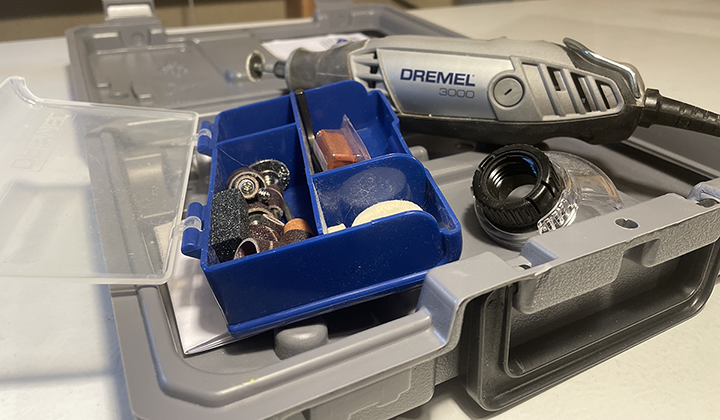
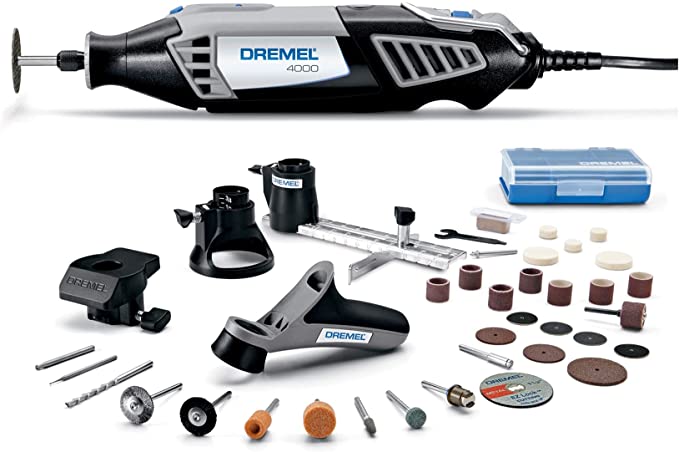
Other types of rotary tools include the Dremel tools, which are versatile items that can be used for various tasks such as carving, engraving, and polishing. Dremel tools are considered the best rotary tools for general-purpose use. There are also pneumatic rotary tools, called die grinders, that are powered by compressed air.
What Are the Different Types of Rotary Tools?
There are many different types of rotary tools on the market. Some of the most popular brands include Dremel, BLACK+DECKER, and Craftsman. Each brand offers a different selection of rotary tool bits and attachments. For instance, Dremel tools are known for their wide variety of attachments while BLACK+DECKER rotary tools are more versatile and can be used for various tasks. Overall, the rotary tool you choose should be based on your specific needs.
Buying Guide
When buying a rotary tool, there are several things you need to consider. Here are some important factors to keep in mind.
Rotary Tools Do’s
1. Purpose

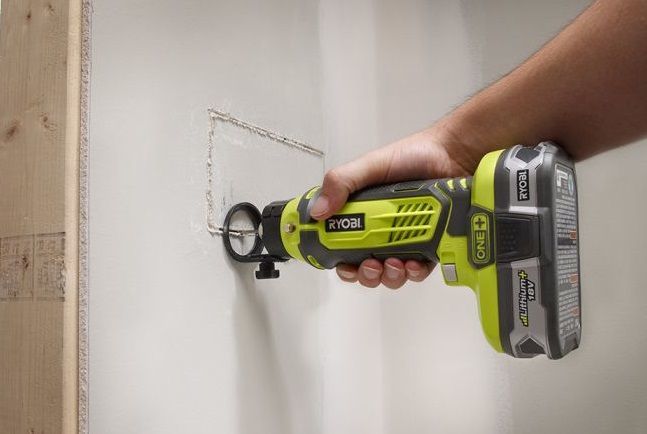
When choosing a rotary tool, you need to determine what you will be using it for. This will help you narrow down your choices and find the best tool for the job.
For instance, electric rotary tools are best for tasks that require a lot of power, such as drilling and cutting. However, if you are looking for a versatile tool that can be used for various tasks, then a Dremel tool might be a better option.
Corded tools are typically more powerful than cordless ones. However, cordless tools are much more convenient since you don’t have to worry about being tethered to a power outlet. Cordless rotary tools are highly recommended for DIY projects around the house.
2. Ease of Use

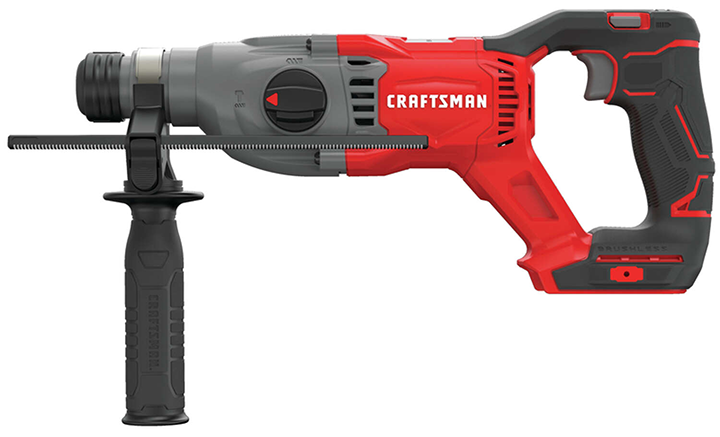
It is vital to choose a rotary tool that is easy to use, especially if you are a beginner. Some rotary tools can be pretty complicated to use, so it is best to choose one that is user-friendly. This will make it easier when changing accessories and attachments.
When considering available options, go for the one with fewer parts. This will make it easier to understand and use. For instance, cordless rotary tools usually have fewer parts than corded ones. Be mindful of rotary tool vibrations because they can make it challenging to use the tool for extended periods.
3. Weight and Handling
Weight and handling are also essential factors to consider when choosing a rotary tool. Heavier tools can be challenging to handle, especially for extended periods. If you’re using a tool for long periods, it’s best to choose a rotary tool that is lightweight and easy to handle.
Cordless rotary tools are usually the best option in this case since they are much lighter than corded ones. Keep in mind, cordless rotary tools can be more expensive than corded ones.
Another important consideration is an ergonomic design for comfort when using them. This might look like a small detail, but it can make a big difference when using the tool for extended periods. In short, opt for powerful rotary tools that are lightweight and comfortable to use.
4. Power and Speed Settings
Power output is critical when choosing a rotary tool. The higher the power output, the more influential the tool will be. Remember that more power doesn’t always mean better results. Too much power can damage the material you are working on.
Use electric rotary tools when working long hours or on more demanding projects. They have more power with speeds ranging from 5,000 to 35,000 rpm and can handle more complex tasks. Battery-operated rotary tools are the best option for smaller projects or when working with delicate materials. They have lower power output and speed settings, ideal for more delicate tasks.
Be sure to get a rotary tool with adjustable speed settings. This will allow you to control the tool’s speed depending on the task at hand.
5. Accessories and Attachments


Many rotary tools’ manufacturers include several accessories and attachments with the purchase of the tool. Some include up to 100 accessories, which can be very useful for different projects. When choosing a rotary tool, always check what accessories and attachments are included. This will give you an idea of the tool’s versatility.
You should know where you will apply the rotary tool the most. If you need it for a specific project, make sure the included accessories are appropriate for that task. In some cases, you can purchase rotary accessories separately. This is usually the case for more specialized tasks.
Ideal kits always have cutting wheels, sanding pads, and saw attachments. These are the most versatile and commonly used attachments. Overall, it is advisable to get previous clients’ reviews to know the rotary tool’s quality of accessories and attachments.
6. Features and Performance
Despite some manufacturers’ claims, not all rotary tools are created equal. Some have better features and perform better than others. Always go for a rotary tool with the features you need for your project. For instance, if you use the tool for long periods, go for one with an ergonomic design.
A reasonable consideration, in this case, is going through the details and specifications of the rotary tool. This will give you an idea of its capabilities. You can also learn the rotary tool’s extra features by reading online reviews. Actual users are the best people to give you an idea of a rotary tool’s performance.
7. Budget and Warranty
Cost is an essential consideration when choosing a rotary tool. However, it is essential to remember that the price doesn’t always reflect the quality of the tool. Some of the most expensive rotary tools are not always the best.
Also, consider how much you are willing to pay for the rotary tool. In most cases, it is advisable to opt for mid-priced rotary tools. Some brands like Dremel and WORX offer a wide range of rotary tools at different price points.
As for the warranty, it is always best to go for rotary tools with an extended warranty period. This will give you peace of mind, knowing that the manufacturer is confident in the quality of their product. A good rule of thumb is to go for rotary tools with a warranty period of two years.
8. Reviews and Recommendations
Finally, always check online reviews and recommendations before purchasing a rotary tool. This is one of the best ways to learn about the quality of the tool and the manufacturer’s customer service. Also, take the time to read actual users’ experiences with the rotary tool. This will give you an idea of how the tool performs in real-world situations.
Rotary Tools Don’ts
1. Don’t Just Focus on the Price
First and foremost, don’t just focus on the price when buying a rotary tool. As mentioned earlier, the price doesn’t always reflect the quality of the tool. Some of the most expensive rotary tools are not always the best. The key is to find a balance between quality and cost.
2. Don’t Forget to Check for Accessories and Attachments
Also, don’t forget to check what accessories and attachments are included with the tool. This will give you an idea of the tool’s versatility. In some cases, you can purchase rotary accessories separately. This is usually the case for more specialized tasks.
3. Don’t Buy Without Considering Your Needs
Knowing your needs is another crucial factor when choosing a rotary tool. This will help you determine the type of rotary tool best for your project. For instance, if you use the tool for long periods, go for one with an ergonomic design.
4. Don’t Choose a Tool Without Reading Online Reviews
Lastly, don’t forget to read online reviews before purchasing a rotary tool. As mentioned earlier, this is one of the best ways to learn about the quality of the tool and the manufacturer’s customer service. Also, take the time to read about actual users’ experiences with the rotary tool. This will give you an idea of how the tool performs in real-world situations.
Bottom Line
Rotary tools are versatile power tools that can be used for various projects. When choosing a rotary tool, always consider your needs and budget, and take reviews and recommendations into account. This will help you find the best rotary tool for your needs.
No products found.